
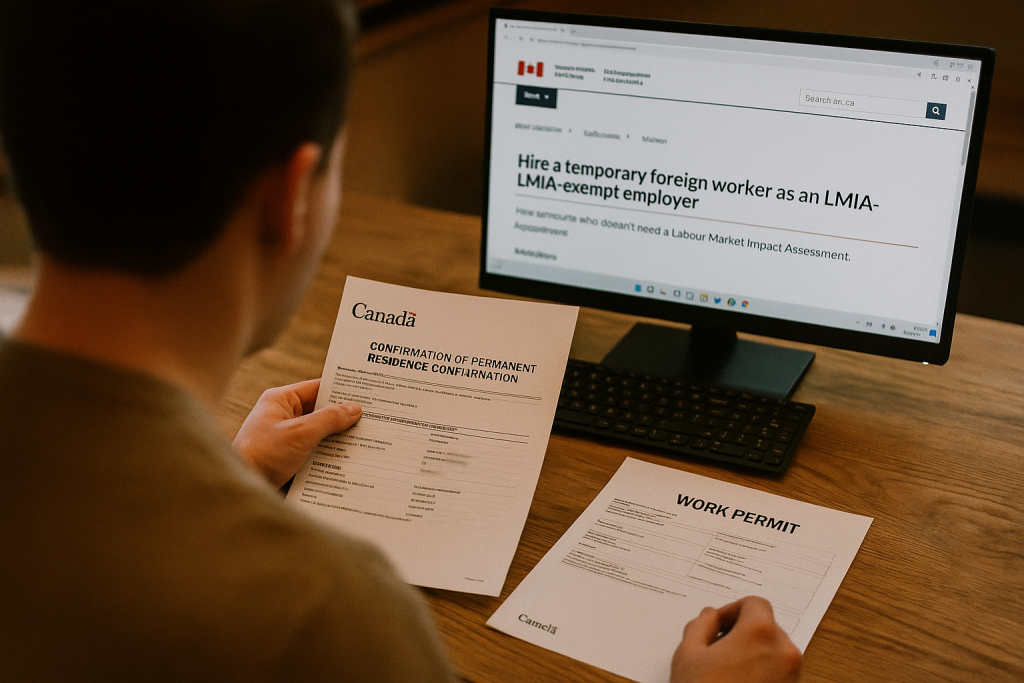
The recent changes to Canada’s Express Entry system open new doors for employers looking to hire skilled workers without the need for a Labour Market Impact Assessment (LMIA). This shift can significantly impact how employers use the Temporary Foreign Worker Program, offering a streamlined pathway for hiring high-wage foreign talent.
Understanding the Recent Express Entry Changes
On November 3rd, Immigration, Refugees and Citizenship Canada (IRCC) announced changes that allow job offer points for designated high-wage occupations without requiring an LMIA. This development is crucial for employers struggling with the complexities of securing an LMIA for potential hires. The removal of the LMIA requirement can make the process more efficient, potentially reducing time and administrative burdens.
Employers should understand that this change mainly benefits high-wage occupations. Therefore, assessing whether your job offer falls into this category is essential. The recent news provides insight into how these changes aim to make hiring through Express Entry more accessible.
The Implications for LMIA Exempt Hiring
With the removal of the LMIA requirement for certain high-wage occupations, employers can focus on hiring talent through pathways such as the International Mobility Program (IMP) that inherently do not require an LMIA. This can be particularly beneficial for employers in sectors facing talent shortages, allowing them to access global talent more efficiently.
To leverage this advantage, employers must familiarize themselves with the criteria that define high-wage occupations and ensure their job offers meet the regulatory standards set by IRCC. Employers using the International Mobility Program can continue to use the Employer Portal for LMIA-exempt hiring.
Eligibility Criteria for High-Wage Occupations
Understanding the eligibility criteria is crucial for employers aiming to leverage the new Express Entry changes. High-wage occupations are typically defined by their alignment with provincial or territorial wage thresholds. Employers should refer to the most recent median hourly wage data to determine if their job offer qualifies.
Additionally, the role’s responsibilities and the required qualifications must align with the National Occupational Classification (NOC) codes designated for high-wage positions. Employers should ensure their job descriptions are detailed and accurately reflect these criteria.
Steps to Take Advantage of the Changes
- Assess Your Needs: Determine if your job offer qualifies as a high-wage occupation. This will be crucial to proceed without an LMIA.
- Use Available Tools: Utilize IRCC’s tools to determine eligibility and ensure compliance with current regulations.
- Update Internal Processes: Adapt your recruitment and hiring processes to align with the new Express Entry changes, ensuring all staff involved are briefed.
- Consult Legal Advice: Consider engaging with immigration consultants to navigate the changes effectively and ensure compliance.
Common Mistakes to Avoid
Even with streamlined processes, employers should be cautious of common pitfalls. One frequent error is misalignment between job descriptions and the high-wage criteria. Employers must ensure that the offered wage and job responsibilities match the NOC codes and wage thresholds.
Another mistake is overlooking the importance of maintaining accurate and up-to-date records. Employers must retain documentation that supports the eligibility of their job offers for at least six years, ensuring compliance with federal regulations.
Impact on the Temporary Foreign Worker Program
These changes also mean a potential reduction in the volume of LMIA applications, particularly for high-wage positions. Employers who previously depended on the Temporary Foreign Worker Program’s LMIA mechanism may find relief in the streamlined processes now available. This could lead to quicker hiring times, allowing businesses to fill critical roles faster.
While the Temporary Foreign Worker Program remains essential for occupations not covered by the new changes, understanding the relationship between this program and the International Mobility Program is vital. Employers can explore further insights in the Temporary Foreign Worker Program insights article.
Cost and Timeline Considerations
One of the advantages of the recent changes is the potential reduction in costs associated with LMIA applications. However, employers must still account for other expenses, such as recruitment fees and compliance-related costs. Understanding these financial implications is essential for budget planning.
Timelines for processing applications may also be affected by the changes. While the removal of the LMIA requirement for certain roles can expedite hiring, employers should regularly check the current processing times to manage expectations effectively.
Maintaining Employer Compliance
Despite the easing of some requirements, employer compliance remains a cornerstone of hiring foreign workers. Employers must adhere to the conditions set forth in the employment offer and ensure they meet all legal obligations. Non-compliance can lead to significant penalties, including fines and potential bans from hiring foreign workers in the future.
Employers should regularly review the employer compliance guidelines to remain updated on their obligations and avoid penalties.
Leveraging Other Immigration Pathways
While the recent changes focus on Express Entry, employers should not overlook other immigration pathways that may be beneficial for their hiring needs. Programs such as the Global Talent Stream and Francophone Mobility continue to offer valuable opportunities for LMIA-exempt hiring.
Understanding the nuances of each program and how they align with your hiring goals can maximize the potential benefits. For employers interested in exploring these options further, the Provincial Nominee Program provides an alternative route worth considering.
Concluding Thoughts
The recent Express Entry changes provide an exciting opportunity for Canadian employers to attract skilled foreign workers more efficiently. By understanding and leveraging these changes, businesses can enhance their recruitment strategies and fill critical positions with top global talent. For employers ready to take advantage of these new opportunities, posting a job on Newcomers Jobs can be a strategic step forward.